Français
 Deutsch
 Pусский










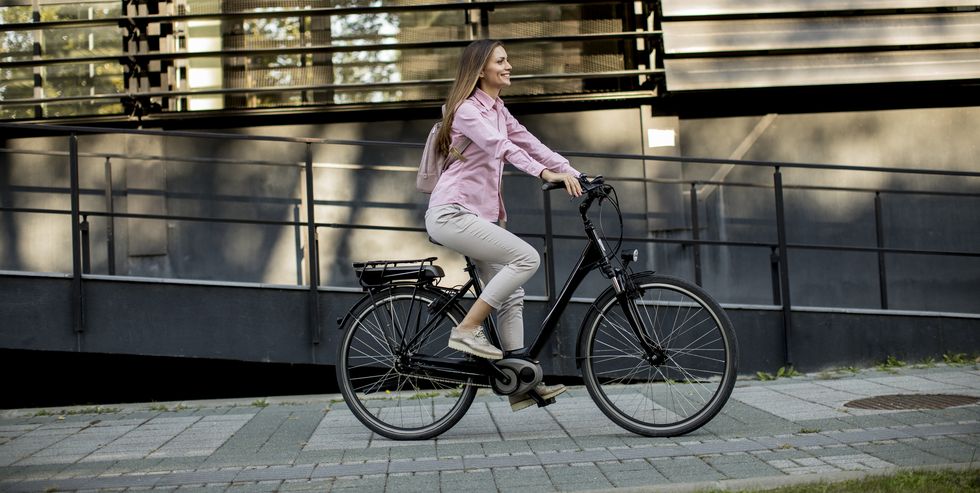
Buying an electric bike (e-bike) can be an exciting and practical decision for many individuals. To make an informed purchase, consider the following expert’s guide:
- Define Your Purpose:
- Determine the primary purpose of your e-bike. Are you using it for commuting, off-road adventures, leisurely rides, or a combination of these? Different e-bike models are designed for various purposes, so identifying your main use will guide your selection.
- Understand E-Bike Types:
- E-bikes come in various types, including city bikes, mountain bikes, folding bikes, and cargo bikes. Each type has specific features suited for different environments and uses. Choose a type that aligns with your needs.
- Motor Placement:
- E-bikes have motors placed in different locations: in the hub of the front or rear wheel or in the bike’s midsection (mid-drive). Hub motors are often quieter and simpler, while mid-drive motors provide better weight distribution and are suitable for more challenging terrains.
- Battery Capacity:
- Consider the battery capacity, typically measured in watt-hours (Wh). Higher watt-hours generally mean longer range, but the actual range depends on various factors, including terrain, rider weight, and assistance level. Choose a battery capacity that suits your typical riding distances.
- Assist Levels and Controls:
- E-bikes offer different levels of assistance, usually adjustable through a control unit on the handlebars. Some e-bikes also offer a throttle for additional power without pedaling. Test different assist levels to find what suits your preferences.
- Range:
- The range of an e-bike refers to the distance it can travel on a single charge. Factors such as battery capacity, terrain, rider weight, and riding conditions affect the range. Consider your typical riding distances and choose a bike with a range that meets your needs.
- Frame Size and Fit:
- Just like traditional bikes, e-bikes come in different frame sizes. Ensuring the bike fits your body size and riding preferences is crucial for comfort and control. Test ride different models and sizes to find the best fit.
- Weight:
- E-bikes can be heavier than traditional bikes due to the added weight of the motor and battery. Consider the weight if you need to lift or transport the bike regularly. Some e-bikes have a removable battery to make lifting easier.
- Braking System:
- Invest in an e-bike with a reliable braking system. Hydraulic disc brakes are commonly preferred for their consistent performance and responsiveness. Ensure the brakes can handle the additional speed and weight of an e-bike.
- Brand Reputation and Reviews:
- Research the reputation of the e-bike brand and model you’re interested in. Read reviews from other users and consider feedback on factors like reliability, customer support, and overall satisfaction.
- Legal Regulations:
- Be aware of local regulations regarding e-bikes. Different regions may have specific rules regarding speed limits, power output, and where e-bikes can be ridden. Ensure your chosen e-bike complies with local laws.
- Warranty and Support:
- Check the warranty offered by the manufacturer, especially for the motor and battery. Also, consider the availability of customer support and service centers in your area.
By carefully considering these factors and doing thorough research, you can select an e-bike that aligns with your preferences, needs, and budget. Don’t hesitate to test ride multiple models to get a feel for different features and styles before making a final decision.